From Cornish mines to the Australian bakery
It was a dreary winter's afternoon in Melbourne, sometime in the mid-1970s. I was visiting the old mineral display hall at the museum in Russell Street when I saw an old Cornish specimen of liroconite and chalcophyllite. A good cabinet-sized piece, with an amazing gathering of electric blue and turquoise-blue crystals on matrix. That specimen locked in my passion for minerals and collecting, and all these years later I can still remember it.
Looking back, its Cornish origin adds another layer to the story. Cornwall and Australia share a mining history that reaches well beyond the specimens in our cabinets. The knowledge developed in Cornwall's copper and tin mines travelled with the people who came here, helping shape Australia's mining industry.
Walk into an Australian bakery and there is a fair chance you will find a pasty sitting alongside the pies and sausage rolls. Familiar enough that most of us probably give its history very little thought. Yet that simple lunch offers a rather lovely way into a much bigger story about minerals, migration and the people who helped build our mining communities.
The Cornish connection with Australia reaches well beyond a recipe. It runs through copper mines in South Australia, tin workings in Tasmania, family histories and the names on old mine plans. For those of us who collect minerals, it adds another dimension to the localities written on our labels.
During the nineteenth century, Cornwall supplied skilled miners to developing mining districts around the world. The men often known as "Cousin Jacks" travelled with knowledge built through generations of working copper and tin deposits. Their families brought their own traditions, and their reasons for leaving were often practical ones: work was becoming uncertain at home, and there was the hope of a better living elsewhere. (History Trust of South Australia)
Little Cornwall
South Australia became an important part of that story. Kapunda and Burra drew Cornish miners during the 1840s. Later discoveries on northern Yorke Peninsula brought another wave of arrivals, and the towns of Moonta, Wallaroo and Kadina became known as "Little Cornwall". Imagine leaving the familiar landscape of home and arriving somewhere so different, then finding neighbours who recognised your accent, your customs and the work you knew. That must have offered some comfort amid a very considerable change. (History Trust of South Australia)
The contribution underground was substantial. Cornish mining involved organising shafts and levels, following ore bodies and managing the water that could make deeper workings impossible. Cornish steam pumping engines helped Australian mines reach greater depths. The surviving engine houses at Moonta are reminders of the machinery and practical knowledge behind the copper production. Burra and Moonta are recognised on Australia's National Heritage List for their exceptional evidence of Cornish mining skills, technology and culture. (Australian Government heritage record)
These communities also depended on people with other skills and backgrounds. At Wallaroo, Welsh workers were prominent in the smelting industry. Looking at the whole district helps us appreciate how many different people were involved in taking ore from underground and turning it into a metal that could be shipped away. (History Trust of South Australia: Yorke Peninsula)
Tin, and a harder story
Copper is perhaps the most familiar Australian part of the Cornish story, but tin deserves its place too. During the 1870s, tin discoveries in northern New South Wales and at Mount Bischoff in Tasmania brought new competition for Cornwall. There is an interesting turn in that history: the developing Australian industry offered work to Cornish people while adding to the pressures facing mines back home. Cornish miners worked on the Mount Bischoff field and were sought after during the tin boom at Mount Heemskirk on Tasmania's west coast. (Nic Haygarth, Journal of Australasian Mining History)
Experience did not guarantee success. During Heemskirk's 1881–84 tin boom, expectations that the lodes would continue at depth like those in Cornwall proved unreliable. The workings failed to fulfil those hopes. It is a useful reminder that knowing one mining district well does not mean another will behave in the same way. (Haygarth's study of the Heemskirk boom)
Carn Brea Tin Mine is a particularly telling example of those difficult years. The Tasmanian Heritage Council describes a short-lived venture that produced almost no tin, leaving a battery and waterwheel as evidence of the effort and money invested. Places like this deserve attention alongside the great producers — the hopes invested in a small unsuccessful mine were real enough to the people involved. (Tasmanian Heritage Council, 2023–24 annual report)
Life above ground
Above ground, there was the work of making a community. At Moonta, mine manager Henry Richard Hancock encouraged a brass band, a library and reading room, sporting clubs and education for boys employed sorting ore. These details help us picture life beyond the shaft: people wanting music, company, learning and a future for their children. (Australian Government heritage record)
And then there is the pasty. A filling enclosed in pastry made a practical meal for miners who could not simply come back to the surface for lunch. Cornish migrants carried that food tradition with them to Australia and other mining countries. There is something very appealing about a connection to mining history that we can still find in an ordinary bakery window. A family recipe, made and shared over generations, can preserve a little of the past just as surely as a building or an old photograph. (Cornish Mining World Heritage Site)
On South Australia's Copper Coast, that connection is celebrated through Kernewek Lowender, whose first festival was held in 1973. The organisers recall that demand for pasties at that first gathering outstripped the available flour. After all the discussion of mines and machinery, there is a wonderfully human detail to remember. (Kernewek Lowender's festival history)
For me, this is part of the pleasure of learning about a specimen's locality. A place name can lead us towards the people who worked there, the families who stayed and the traditions that survived after the workings closed. Keeping an old label, recording a reliable piece of provenance or sharing a family memory helps preserve those connections.
Specimens connected to this history
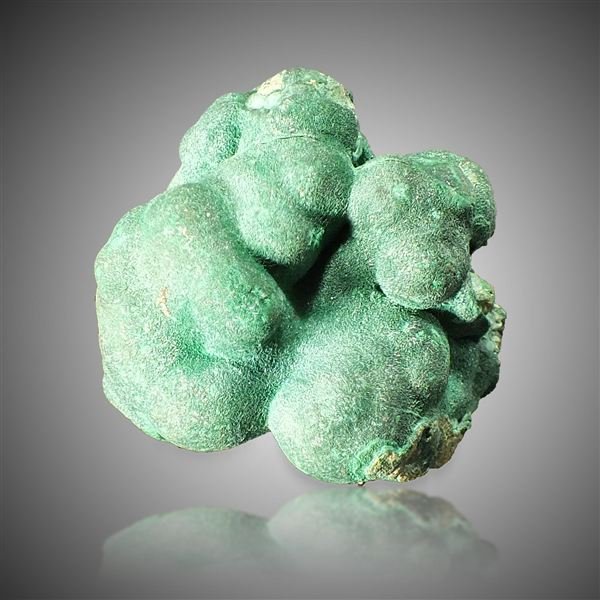
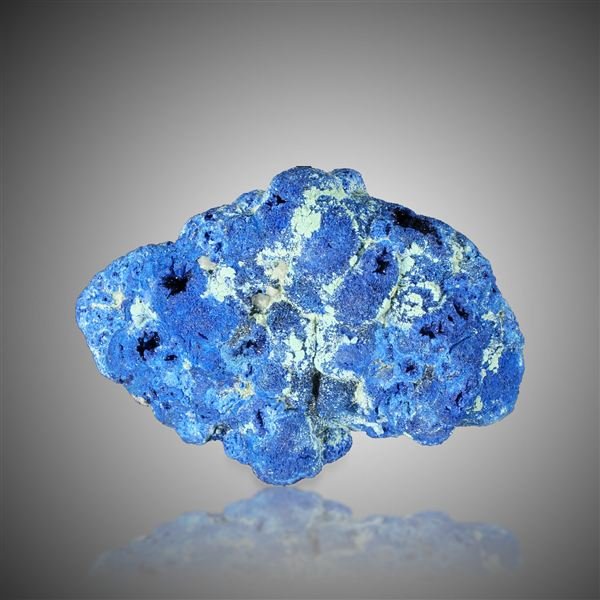
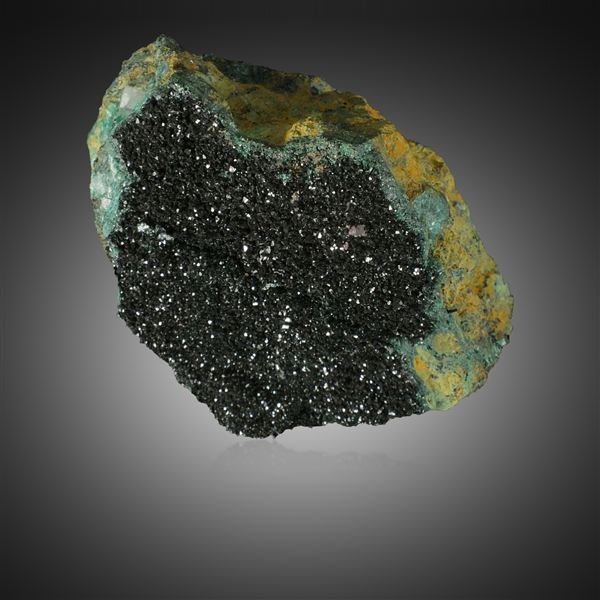
This note draws on published heritage, historical and museum sources credited above, alongside Jon's own recollection of the Melbourne specimen that is described at the start. It is not a claim about the migration history of any individual specimen beyond what is recorded on that specimen's own page — in these cases, the Burra and Moonta localities and collection provenance already on file.